Public policy
SMEs are around 90% of businesses worldwide. Their productivity gap to large firms has widened in most countries with data.
Who designs the support, delivers it and shows what changed? We do all three, with partners in the regions where the work happens.
For governments and the partners who fund and run support for small and medium-sized enterprises (SMEs): development agencies, banks, business associations and universities.
Discuss an SME programme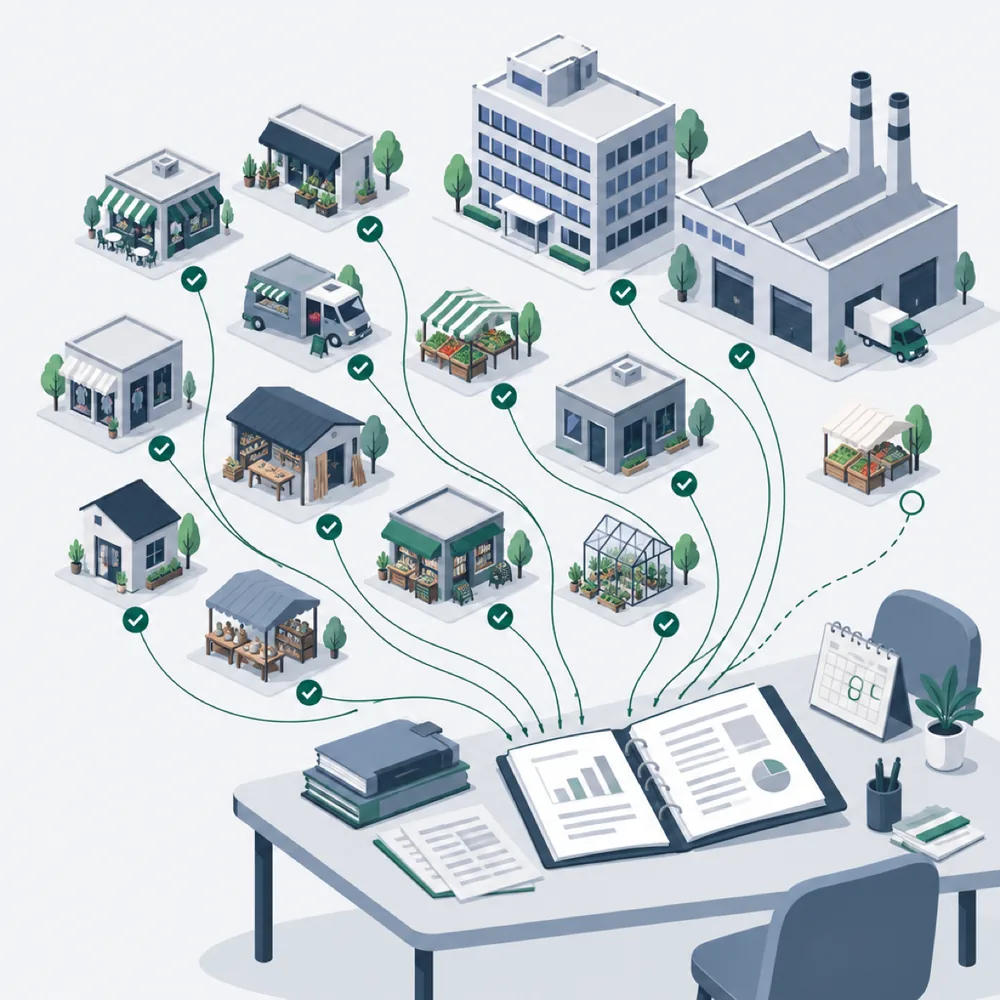
Sources: World Bank Group, SMEs Finance (an undated page that gives no reference year or SME definition). Organisation for Economic Co-operation and Development (OECD), Compendium of Productivity Indicators 2026: in 2024, across OECD and accession-candidate countries, the unweighted average labour productivity of firms with 1 to 249 employees was 65% of that of firms with 250 or more, measured as turnover per person employed. The gap widened from 2013 in 20 of 32 countries with data.
Why the gap matters
OECD firm-level analysis found that industry digital adoption was associated with productivity gains, which tended to be stronger for more productive firms and weaker where skill shortages were present. The authors suggest digital technologies may have contributed to growing differences in productivity between firms. Trusted records, named owners and the skills to use data are where support can start.
The gap can narrow. An OECD study using Dutch firm-level data found strong productivity benefits from software investment for low-productivity firms. Support that builds data skills and routines can help firms catch up.

Why measurement comes first
A 2021 review by David McKenzie, hosted by the World Bank, found that most first-wave randomised experiments of small-business training did not detect statistically significant effects on profits or sales. Its meta-analysis estimates average gains of about 10% on profits and 4.7% on sales for standard training. Alternative approaches show larger estimates, about 15% and 11%, with wide uncertainty. Effects of that size are hard to detect without measuring firms before support starts and comparing them with similar firms that did not receive it.
What we do
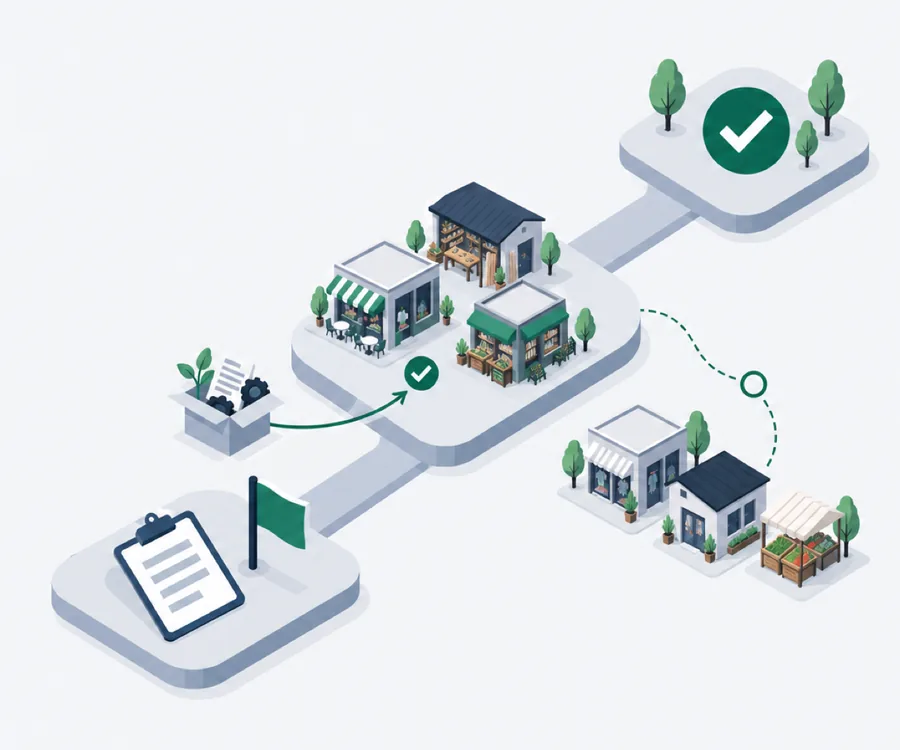
- 1 · Map readiness and dataWe read the surveys, records and partner datasets already available and agree definitions, owners and a baseline with your partners.
- 2 · Design and cost the supportWe compare the options for your firms and cost each one, with assumptions shown.
- 3 · Deliver with partnersWe run training and data-skills support for firms, working with your agencies and regional partners, chosen with you and named in the engagement.
- 4 · Measure and hand overWe track who the programme reaches and what changes against the comparison, and leave your team with the routines to carry on.
You can start at any stage. A government may commission the study alone, or the whole sequence.
What you receive
- A profile of the firms in scope, grouped by sector, size and data capability.
- Support options with their cost and the firms each one suits.
- A delivery plan, and delivery where you commission it.
- A measurement plan agreed before spending, and reports against it.
- A map of the data each partner holds, with agreed definitions and a named owner for every measure.
Definitions, owners and the measurement plan stay with you.
One client, many partners
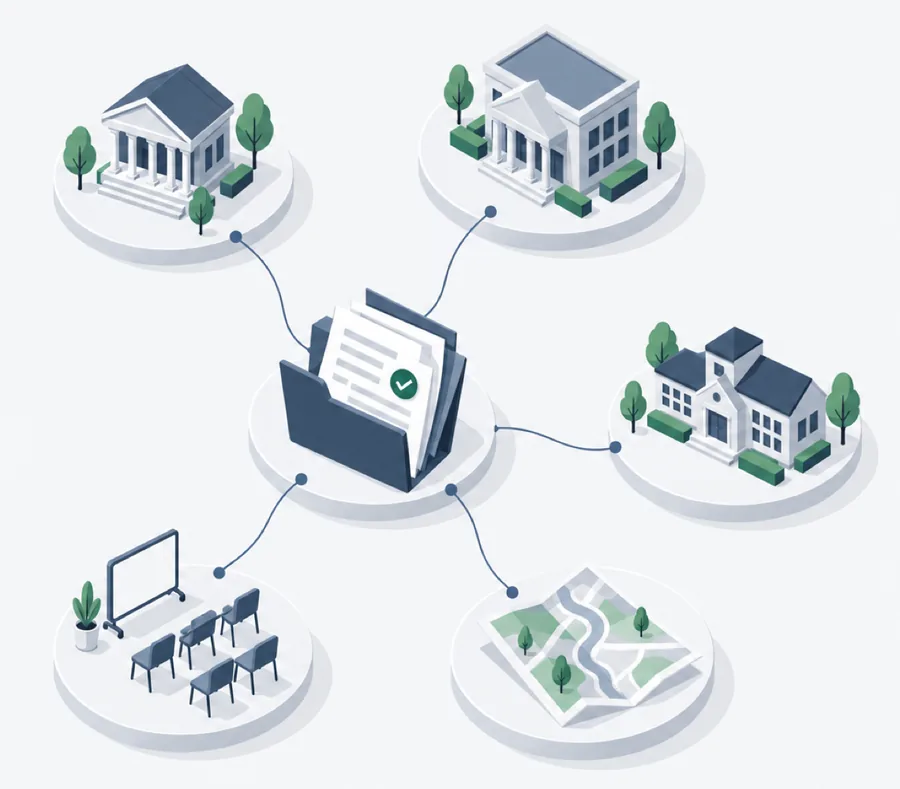
SME support involves several bodies: a ministry, an agency, funders, banks, associations, universities and training providers. Each holds part of the data and part of the budget. We work with the whole group. Before work starts we agree in writing who commissions us, who receives the findings and who owns the results.
Making sure people use the data
A programme can only learn from its data if people use it. We help partners agree who owns each measure, how results reach decisions, which skills are missing and how the programme will keep the habit after we leave. Dr Shorful Islam wrote Data Culture (Kogan Page, 2024) on this subject.
What we do not do
We do no lobbying or partisan work. We promise no gain in SME productivity or growth. We build no software; any build work is scoped and disclosed separately.
Who leads the work
Rashed Mamun, our Founder, has worked in international development since 2015. He is currently leading a costed investment case with options across two Asian countries. He leads the readiness study, the costing and the delivery design.
Dr Shorful Islam, our Chairman and Director, wrote Data Culture and has designed measurement frameworks that compare results with and without a programme for large consumer brands. He leads the data map and the measurement plan.
A member of the IntelliSearch team reviews and signs every study. We say which work each founder delivered in previous roles. Our people
Independence and your data
We report what the evidence shows, including findings that do not support the programme. Before any engagement we disclose our founders' other companies in writing. Government and partner data is handled under an agreed note, and we agree how it is stored and deleted before you share it. Full policy
Timing and fee
We agree the timetable with you so the work meets your funding decision. The fixed fee reflects the number of partners and datasets, the sectors in scope, the delivery you commission and the fieldwork needed.
Tell us which SME programme you are designing.
A short call, then a written scope.